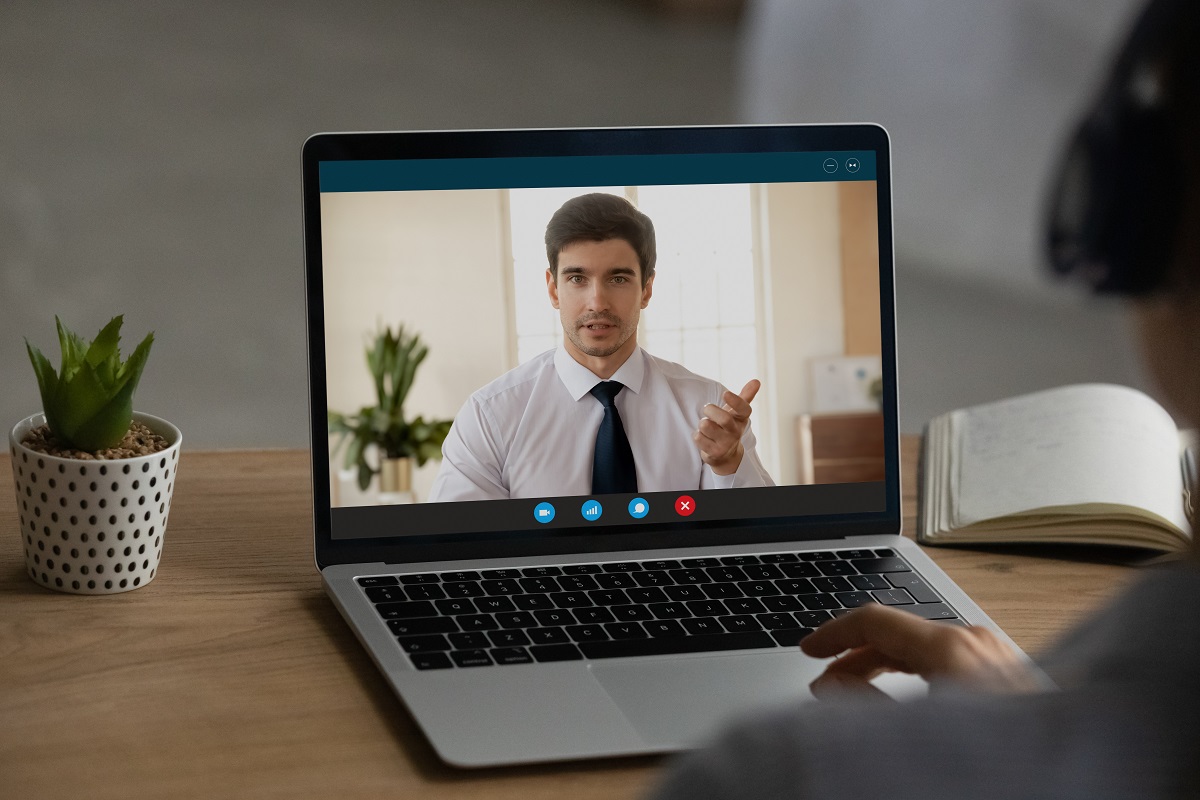
Market Overview of High Ticket Closer Jobs Remote
The demand for high ticket closer jobs remote continues to grow as companies shift toward online selling models that rely on skilled sales professionals working from anywhere. Businesses selling premium coaching, consulting, software, and transformation programs need closers who can confidently handle sales conversations without being tied to an office. This shift is driven by global digital adoption, where customers are now comfortable making high-value purchases through virtual meetings. Remote high ticket closers are valued because they reduce geographic limitations for companies while expanding access to global talent. The role blends communication skill, persuasion, and structured selling systems in a virtual environment. Many organizations prefer this model because it lowers overhead costs while increasing scalability. As a result, professionals pursuing high ticket closer jobs remote are entering a fast-growing segment of digital sales.
Structure of High Ticket Closer Jobs Remote
High ticket closer jobs remote are typically structured around handling qualified leads who have already expressed interest in a product or service. Instead of cold outreach, many closers receive booked appointments from marketing teams or appointment setters. The primary responsibility is to guide prospects through a structured sales conversation that focuses on understanding their needs and aligning solutions. These roles often operate within teams where marketing, lead generation, and closing are separate functions. Remote closers rely heavily on digital tools to stay connected and organized throughout the day. Communication happens through video calls, messaging platforms, and CRM systems that track each opportunity. The structure allows closers to focus on persuasion and relationship building rather than prospecting from scratch.
Core Responsibilities in High Ticket Closer Jobs Remote
The responsibilities in high ticket closer jobs remote revolve around conducting meaningful sales conversations that lead to high-value transactions. A closer must understand the product deeply enough to explain its value in a way that connects with the prospect’s goals. Handling objections is a major part of the role, requiring patience and strategic thinking during conversations. Closers are also responsible for maintaining accurate records of each call, including notes, follow-ups, and pipeline updates. They must collaborate closely with setters and marketing teams to ensure smooth lead flow. Consistency in communication is essential because many deals require follow-up conversations before final decisions are made. Performance tracking is another important responsibility, as companies evaluate closers based on conversion rates and revenue generation.
Skills Required for High Ticket Closer Jobs Remote
Success in high ticket closer jobs remote depends on a combination of communication, psychology, and technical skills. Strong verbal communication allows closers to guide conversations naturally while building trust with prospects. Emotional intelligence helps them read tone, hesitation, and buying signals during calls. Sales psychology knowledge is essential for understanding what motivates people to make high-value decisions. Technical skills are also important, especially familiarity with CRM systems and virtual meeting tools. Discipline is necessary because remote work requires self-management without direct supervision. Adaptability is another key trait since each prospect behaves differently during a sales conversation.
Key skill areas include:
-
Active listening and emotional awareness
-
Persuasive communication without pressure tactics
-
CRM and pipeline management
-
Structured sales conversation flow
-
Objection handling strategies
-
Time management in remote environments
-
Confidence in high-stakes conversations
Tools Used in High Ticket Closer Jobs Remote
Professionals in high ticket closer jobs remote rely on a variety of digital tools to manage their workflow effectively. CRM platforms are essential for tracking leads, deals, and communication history. Video conferencing tools are used for conducting live sales calls with prospects from different locations. Calendar scheduling systems help organize appointments and avoid conflicts. Communication platforms allow collaboration with team members in real time. Recording software is often used to review calls and improve performance. Analytics dashboards help track conversion rates and identify areas for improvement. These tools create a structured environment that supports productivity in a remote setting.
Industries Hiring High Ticket Closer Jobs Remote Professionals
Many industries actively hire for high ticket closer jobs remote because their business models depend on premium pricing and personalized sales conversations. The coaching and consulting industry is one of the largest employers of remote closers. Software companies also rely on closers to convert enterprise-level clients. Real estate investment firms use closers to sell high-value programs and opportunities. Online education platforms often hire closers to sell certification and training programs. Health and fitness transformation businesses also depend on sales teams to convert prospects into long-term clients. Financial education companies frequently use closers to explain complex offerings in a simple and persuasive way.
Compensation Structure in High Ticket Closer Jobs Remote
Earnings in high ticket closer jobs remote are often commission-based, which means income depends on performance and deal size. Many companies offer percentage-based commissions on each closed deal. Some roles include a base salary combined with commission incentives. High-performing closers can significantly increase their income by consistently closing larger deals. Compensation varies depending on the industry, offer price, and individual skill level. Because deals are high value, even a few conversions can generate substantial income. This structure rewards performance and encourages continuous skill improvement.
Step-by-Step Path to Enter High Ticket Closer Jobs Remote
Starting a career in high ticket closer jobs remote often begins with learning the fundamentals of sales communication and persuasion. Many aspiring closers begin by studying sales psychology and practicing conversational techniques. Training programs and mentorship opportunities help build confidence before working with real clients. Some professionals start in appointment-setting roles to understand lead flow and pipeline management. Over time, they transition into closing roles as their confidence and skill level increase. Practical experience is essential because real conversations differ from theoretical training. Consistent practice helps build the rhythm needed for high-performance sales environments.
Training Pathways for High Ticket Closer Jobs Remote
Training for high ticket closer jobs remote can come from various sources, including structured programs, mentorship, and self-guided learning. Many online courses focus specifically on high ticket sales techniques and frameworks. Mentorship programs allow beginners to learn directly from experienced closers. Role-playing exercises are commonly used to simulate real sales conversations. Some individuals learn by analyzing recorded sales calls to understand tone, pacing, and objection handling. Continuous improvement is a major part of development in this field. The more exposure a person has to real or simulated calls, the stronger their skills become.
Daily Workflow of High Ticket Closer Jobs Remote
The daily routine in high ticket closer jobs remote is typically structured around scheduled sales calls and follow-up activities. Many closers begin their day by reviewing their pipeline and preparing for upcoming conversations. Sales calls are conducted throughout the day based on booked appointments. Between calls, closers update CRM systems and communicate with team members. Follow-ups are an essential part of the workflow because many prospects need additional time before making decisions. Performance tracking and self-review often take place at the end of the day. This structured approach ensures consistency and productivity in a remote environment.
Challenges in High Ticket Closer Jobs Remote and How to Handle Them
Working in high ticket closer jobs remote comes with challenges that require resilience and adaptability. One common challenge is handling rejection, which is a natural part of sales conversations. Maintaining motivation while working remotely can also be difficult without in-person team interaction. Income variability may create pressure for new closers who are still building consistency. Managing difficult conversations requires emotional control and strategic thinking. Staying organized without physical supervision is another challenge that requires strong discipline. Overcoming these challenges often comes down to practice, mindset development, and structured routines.
How to Find High Ticket Closer Jobs Remote Opportunities
Finding opportunities in high ticket closer jobs remote involves strategic searching and networking within the digital sales space. Many companies post openings on online job platforms that specialize in remote work. Networking on professional platforms can lead to direct recruitment opportunities. Some professionals reach out directly to coaching businesses or agencies that sell premium services. Online communities focused on sales often share job leads and referrals. Building a personal brand in sales can also attract inbound opportunities. Evaluating each opportunity carefully is important to ensure legitimacy and alignment with career goals.
Red Flags to Watch in High Ticket Closer Jobs Remote
Not all opportunities in high ticket closer jobs remote are legitimate, so careful evaluation is important. Unrealistic income promises without clear structure should be treated with caution. Companies that lack transparency about their product or service may not be trustworthy. Absence of proper onboarding or training can indicate a poorly structured organization. Requests for upfront payments without clear value should be avoided. Limited online presence or unclear business identity is another warning sign. Pressure-based recruitment tactics often indicate a poor working environment.
Growth Path in High Ticket Closer Jobs Remote
Career progression in high ticket closer jobs remote often leads to higher earning potential and leadership opportunities. Many closers advance to senior sales positions where they handle larger accounts. Some transition into team leadership roles where they mentor newer closers. Others move into sales strategy or consulting roles within organizations. Experienced closers may also build independent businesses offering sales services. Developing a strong personal brand can create additional income opportunities. Growth in this field is closely tied to performance, consistency, and continuous learning.
Remote Work Setup Essentials for High Ticket Closer Jobs Remote
A proper setup is essential for success in high ticket closer jobs remote. A stable internet connection ensures smooth communication during calls. A quiet workspace helps maintain professionalism during client conversations. High-quality audio equipment improves clarity and reduces distractions. Productivity tools support organization and time management. A structured daily schedule helps maintain focus and consistency. Creating a distraction-free environment is critical for maintaining high performance in remote sales work.
Performance Metrics in High Ticket Closer Jobs Remote
Performance in high ticket closer jobs remote is measured using specific metrics that reflect efficiency and effectiveness. Conversion rate is one of the most important indicators of success. Revenue generated per month is another key metric used by companies. The number of closed deals provides insight into consistency. Pipeline activity shows how well a closer manages opportunities. Call attendance and punctuality reflect professionalism. Follow-up consistency is also tracked because many deals require multiple touchpoints before closing.
FAQ: High Ticket Closer Jobs Remote
What is a high ticket closer in remote work?
A high ticket closer in remote work is a sales professional who conducts virtual conversations with prospects to sell high-value products or services.
Do high ticket closer jobs remote require experience?
Some roles require experience, while others provide training for beginners who are willing to learn sales fundamentals and communication skills.
How do high ticket closers get leads remotely?
Many companies provide qualified leads through marketing systems, appointment setters, or inbound inquiries.
Can beginners succeed in high ticket closer jobs remote?
Beginners can succeed with proper training, consistent practice, and strong commitment to improving communication skills.
What industries commonly hire remote high ticket closers?
Industries include coaching, SaaS, consulting, real estate, and online education.
Is income stable in high ticket closing roles?
Income depends on performance and commission structure, so consistency and skill level greatly influence stability.
Takeaway
High ticket closer jobs remote offer a performance-driven career path for individuals who want to develop communication skills and earn based on results. This field rewards discipline, emotional intelligence, and continuous improvement more than traditional credentials. Success comes from mastering conversation flow, understanding buyer psychology, and maintaining consistency in remote environments. For those willing to invest in skill development and persistence, this career path can provide long-term opportunities in the evolving digital sales landscape.